Archives
- 2026-09
- 2026-08
- 2026-07
- 2026-06
- 2026-05
- 2026-04
- 2026-03
- 2026-02
- 2026-01
- 2025-12
- 2025-11
- 2025-10
- 2025-09
- 2025-04
- 2025-03
- 2025-02
- 2025-01
- 2024-12
- 2024-11
- 2024-10
- 2024-09
- 2024-08
- 2024-07
- 2024-06
- 2024-05
- 2024-04
- 2024-03
- 2024-02
- 2024-01
- 2023-12
- 2023-11
- 2023-10
- 2023-09
- 2023-08
- 2023-06
- 2023-05
- 2023-04
- 2023-03
- 2023-02
- 2023-01
- 2022-12
- 2022-11
- 2022-10
- 2022-09
- 2022-08
- 2022-07
- 2022-06
- 2022-05
- 2022-04
- 2022-03
- 2022-02
- 2022-01
-
These recommendations may be useful for
2025-04-16
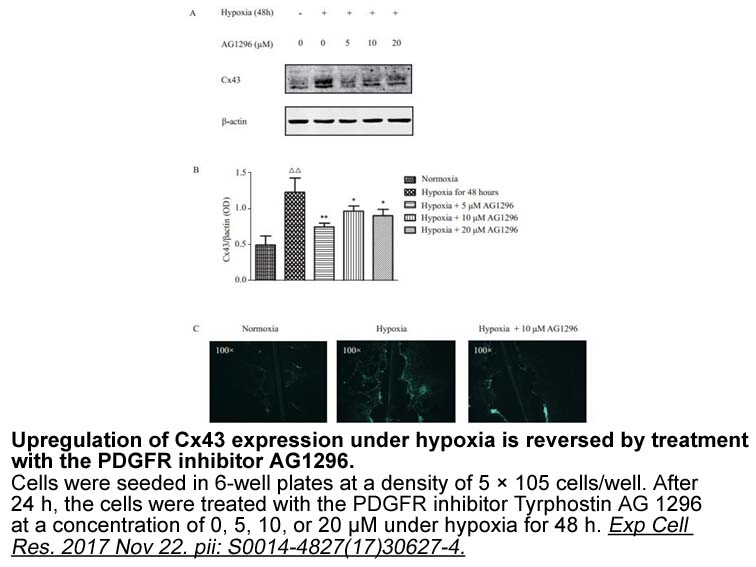
These recommendations may be useful for the future to avoid misleading reports and pairings. However, the existing literature can also hold back current research on some given orphans. Before entering into drug development or further physiological conceptual framework, these pairings should be thoro
-
br Conclusions br Author declaration
2025-04-15
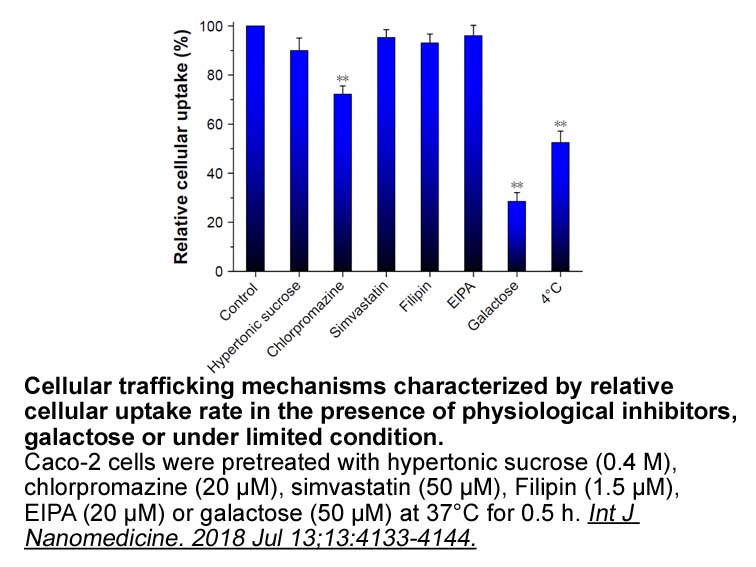
Conclusions Author declaration Acknowledgements Introduction ASK1 scaffolding proteins ASK1 adaptor proteins Conclusions Scaffolding and adaptor proteins can coordinate the specific activation of a MAP3K-MAP2K-MAPK pathway in response to various stimuli. For example, both Sulfo-
-
Despite their different effects on
2025-04-12
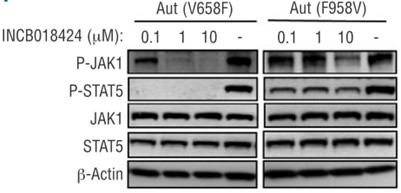
Despite their different effects on cell survival, the functions of autophagy and apoptosis are not completely independent. Additionally, Cho et al. (2009) suggested that the mediation of caspase-3 links the apoptotic and autophagic signaling pathways. Consequently, to illuminate the correlation, exc
-
Apelin is a bioactive peptide and endogenous
2025-04-10
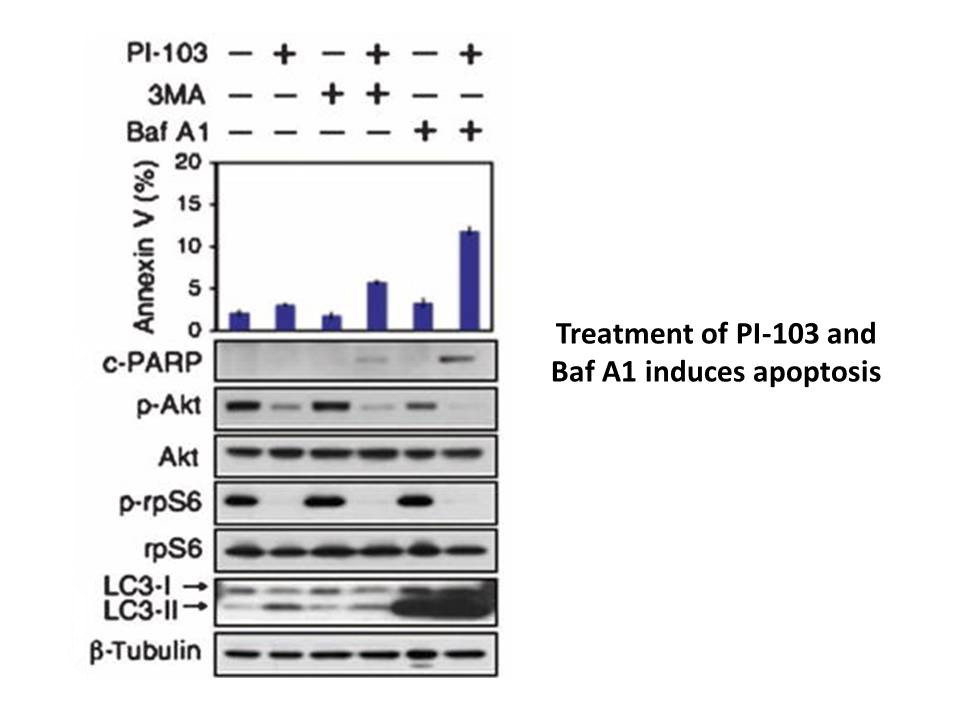
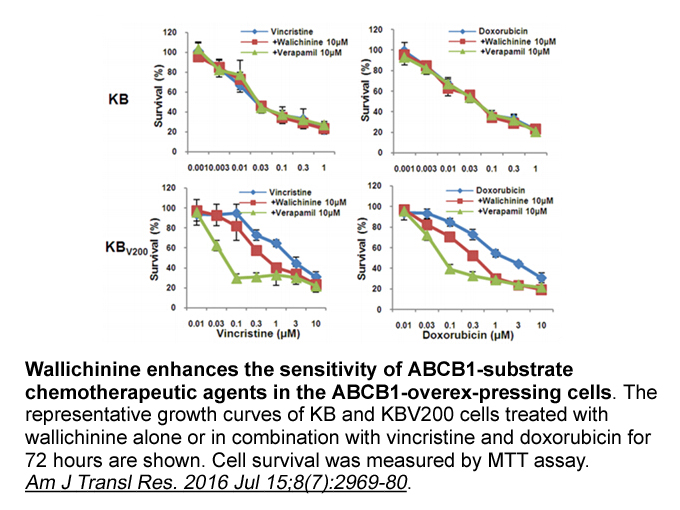
Apelin is a bioactive peptide and endogenous ligand for the APJ receptor (APLNR), a member of the G protein coupled receptor family that shares a similar sequence as the angiotensin type-1 receptor (AT1) [5]. Early studies demonstrated that the apelin/APLNR receptor axis plays a significant role in
-
Another interesting aspect of neutralizing AP is the inhibit
2025-04-10
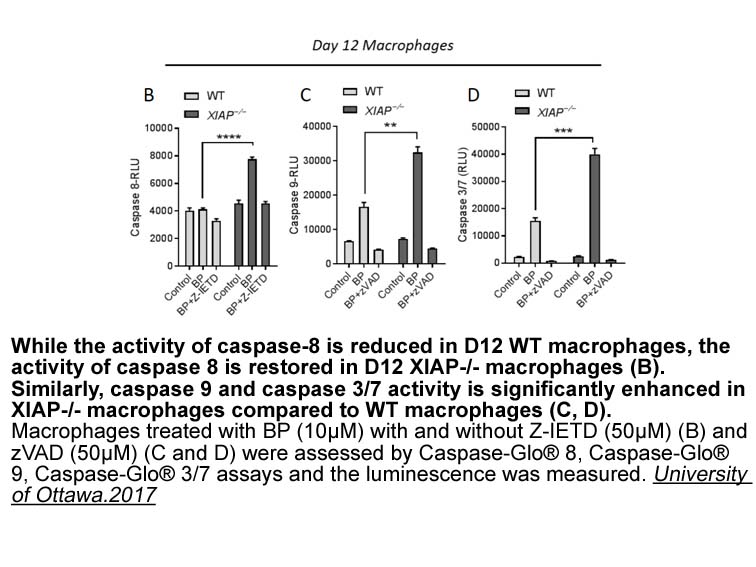
Another interesting aspect of neutralizing AP-1 is the inhibition of interactions between AP-1 and Smad proteins, which synergize to activate the TGF-β1-responsive genes involved in hypertrophic growth of the heart muscle and in the development of cardiac fibrosis. Through preventing AP-1 activation
-
In Antirrhinum floral organ identity genes include
2025-04-08
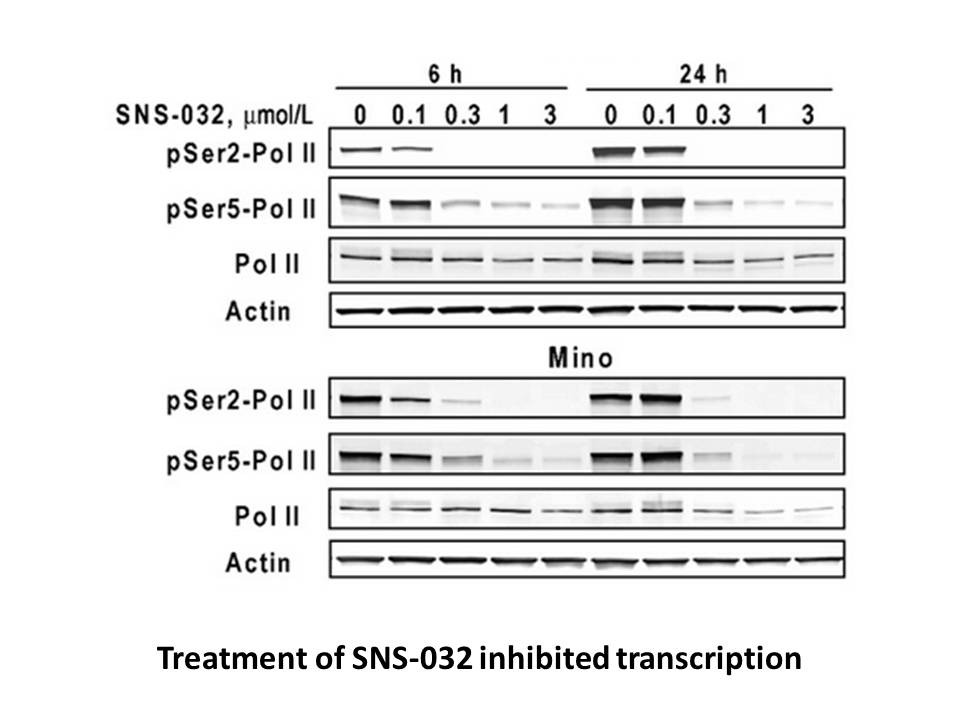
In Antirrhinum, floral organ identity genes include DEFICIENS (DEF) (Sommer et al., 1990) and GLOBOSA (GLO) (Trobner et al., 1992) required for petal and stamen identity (B-function), PLENA (P) required for stamen and carpel formation (C-function) (Bradley et al., 1993) and SQUAMOSA (SQUA) which is
-
It is now thought that tight
2025-04-08
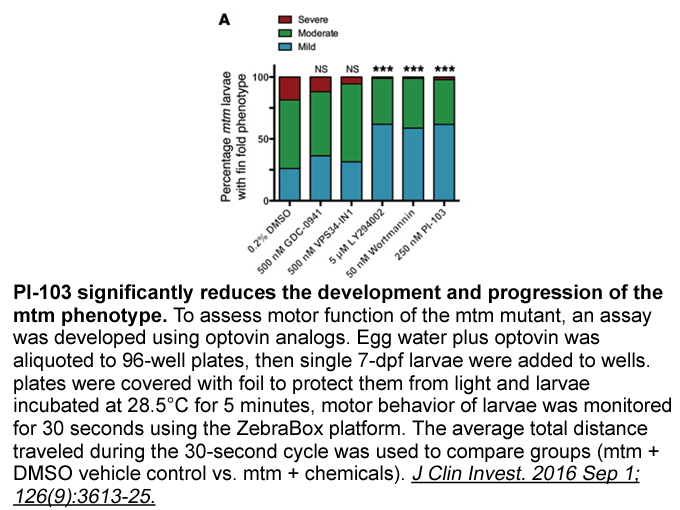
It is now thought that tight binding of HMGB to condensed chromatin may not be restricted to apoptotic cells. That HMGB proteins might actually be involved in the organization and/or maintenance of heterochromatic regions is suggested by the results of experiments analyzing the stable binding of the
-
br Declarations Funding None for the paper in
2025-04-07
Declarations Funding: None for the paper in question. Competing interests: Florent Morio has received speaker's fees from Gilead, Basilea, and MSD and travel grants from Gilead, MSD, Pfizer, Basilea, and Astellas. Ethical approval: Not relevant for the paper in question. Introduction Lactic
-
Electron paramagnetic resonance studies of mixtures of A and
2025-03-29
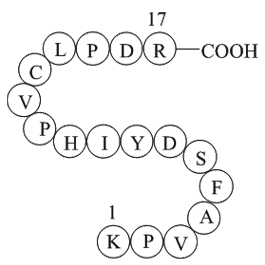
Electron paramagnetic resonance studies of mixtures of Aβ1–40 and Aβ1–42 suggest that interlaced fibrils might also form [40] where Aβ1–40 and Aβ1–42 is found within the same fibril. Considering the Aβ fold rather than the sequence, these observations imply two mechanisms that might lower the total
-
br Introduction AMPA receptors AMPARs mediate
2025-03-27

Introduction AMPA receptors (AMPARs) mediate the majority of fast excitatory postsynaptic currents (EPSCs) in the Biotin-tyramide (Jonas, 2000). The brevity of EPSCs and rapid deactivation of AMPARs depend upon a short lifetime of synaptically released glutamate, estimated to be about 1 ms (Clem
-
MAPs require divalent transition metal ions
2025-03-26
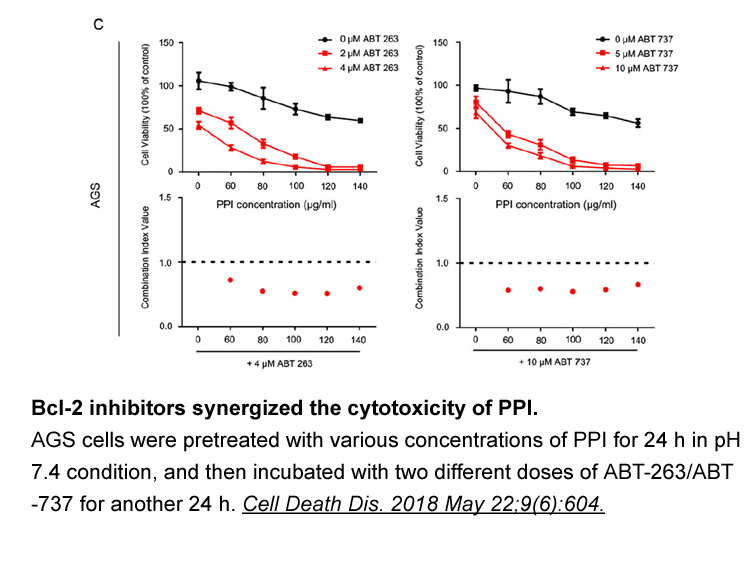
MAPs require divalent transition metal ions as cofactors for activity [21]. Previous studies on MAPs from different organisms indicate cobalt ions to be the most preferred divalent metal activator [22]. However, MAPs also exhibit activity with other divalent cations like Mn(II), Ca(II), Ni(II) or Fe
-
A large number of aldose reductase inhibitors have been
2025-03-03
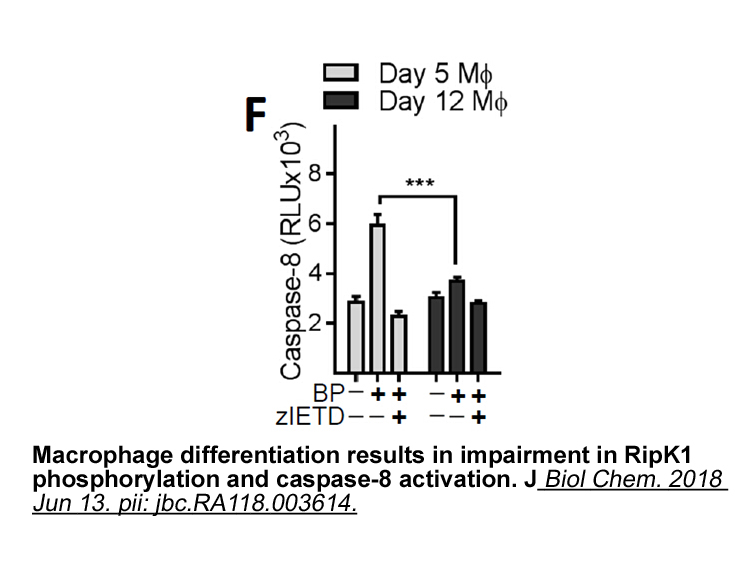
A large number of aldose reductase inhibitors have been prepared synthetically, and a limited number of them are therapeutically used. However, none of them is satisfactory. Here, Cannabis extracts with high content of non-psychotropic phytocannabinoids CBD/CBDA or CBG/CBGA showed statistically sign
-
br Material and methods br Results br Discussion To develop
2025-03-03
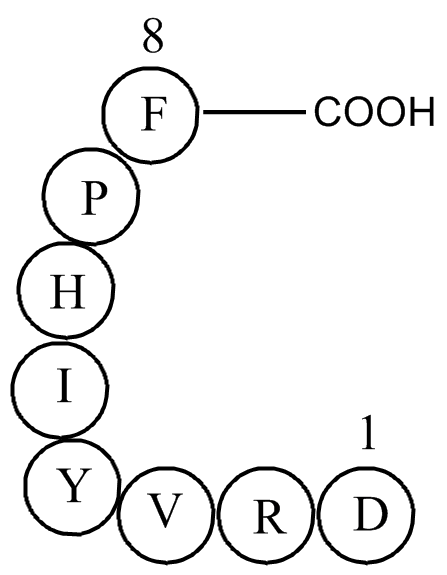
Material and methods Results Discussion To develop a novel regenerative and/or neuroprotective therapy for optic neuropathy, including glaucoma, numerous studies have tested new candidates favorable to RGC survival and axon regeneration. Among the many candidate drugs, AdoR modulators are o
-
Children with ADA SCID commonly suffer from
2025-03-03
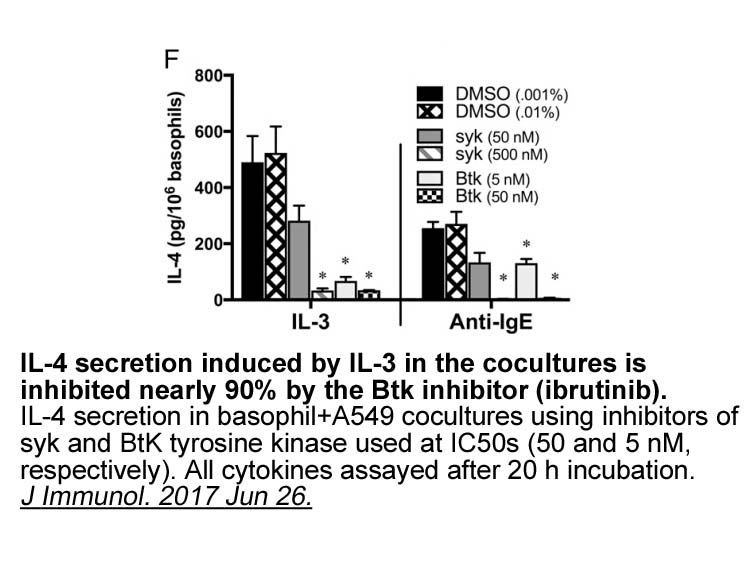
Children with ADA-SCID commonly suffer from a variety of opportunistic infections, including viral, fungal, and mycobacterial infections. Due to defects in Soyasaponin I and IG production, they are also susceptible to infection with encapsulated bacteria such as Haemophilus influenzae, Streptococcu
-
br Materials and methods br Results
2025-03-03
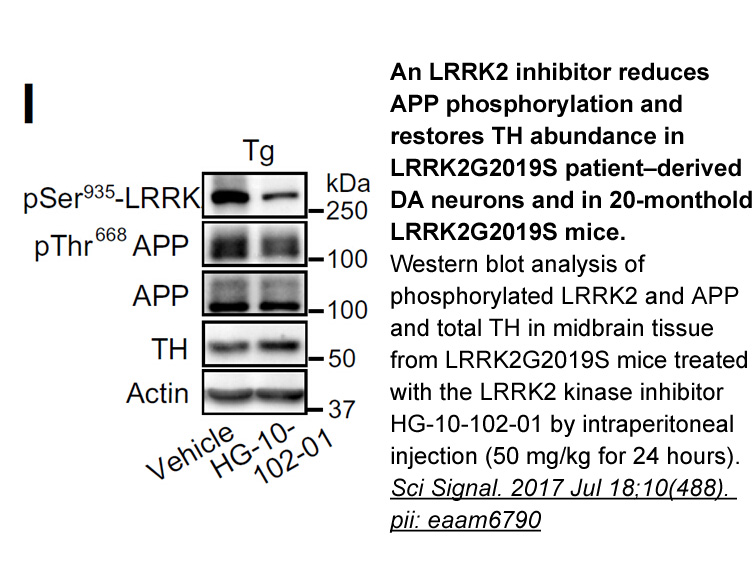
Materials and methods Results Discussion Very few ARF inhibitors have been developed to study the key functions these small GTP-binding proteins play in pathophysiology. The natural compound Brefeldin A (BFA) has exhibited drastic effects in cells such as collapse of the Golgi because of it
7832 records 36/523 page Previous Next First page 上5页 3637383940 下5页 Last page